Planting good food and cultivating a thriving community and ecosystem

Wednesday, November 5, 2014

Johnson Grass, "Bloody" Tender Heart, and a Turkish Shepherd's Salad


This is my arch nemesis: Johnson grass root. As a weed, it is one of the nastier ones. It grows quick and will shade out and swallow any crop planted near it.  It has taken over a few areas of the farm, and we're doing our darndest to get rid of it. It has a few nasty tricks up it's sleeve though. 
Here is a close up of it's root: You can see that every nub you leave in the ground will grow a new plant. It is also clever enough to "let go" like a lizards tail if you try to pull it out. When left, it will grow like wildfire, sending its root out far, making new grass shoots at every root juncture. 

Digging sometimes leaves too much of the root, so we pulled out the ripper tooth to loosen the soil around the clumps so it would just lift out. In theory anyway...
We did have to go back and re-dig around the edges, aiming to get every bit of root. 

The dog even got into it. 


Here are a few of the "orphan" recipes from summer that got lost. These aren't entirely fall friendly, but you can keep them on tab for next summer! 


"Bloody" Tender Heart

1 large heirloom tomato
1 large bell pepper
1 med onion
2 stalks celery
2 cloves garlic

Spread veggies out in a glass dish sprinkle lightly with salt and olive oil. Roast at *450 until veggies begin to color and wilt (garlic and celery may need to come out first).  Remove veggies and pop into a blender. Strain juice through a large strainer and let cool.

¼ C lemon and lime juice
1 Tbs Tabasco
1 Tbs fresh grated horseradish
½ Tbs Old Bay Seasoning
8 dashes Angastora Bitters
6 oz vokda
2 stalks Celery

Assemble and enjoy! 


Turkish Shepherd’s Salad

1 med onion, sliced
1 head lettuce, chopped
1 bell pepper, diced
2 small cucumbers, diced
1 small bunch radishes, sliced
2 tomatoes, diced
Herbs (parsley, mint, cilantro, basil, dill)
3 green onions, sliced

Prep and toss!

Dressing: 2 lemons, olive oil, fresh ground pepper, musturd powder, honey all to taste
-combine and whisk

Add ins:
Olives of every kind
Feta
Za’atar
Chopped Pita
Toasted Nuts
 

How to butcher a squash: Meet my friends, Cucurbata Pepo and stab/roast them into a fall salad


These beauties are all cultivars of the botanical species: Cucurbata Pepo. Not pictured are the summer squash like zucchini  pattypan or crookneck, though they are also part of this species of squash. The whole cucurbit family as a genus includes: melons, cucumbers, watermelons, gourds, summer and winter squash. These winter squash pictured are all the "oddball" types. With the other winter squash family, "Cucurbata moschata" one method will work with all of them. Here, you must first know which cultivar you are dealing with before you decide where and how it will end up in your meal. 

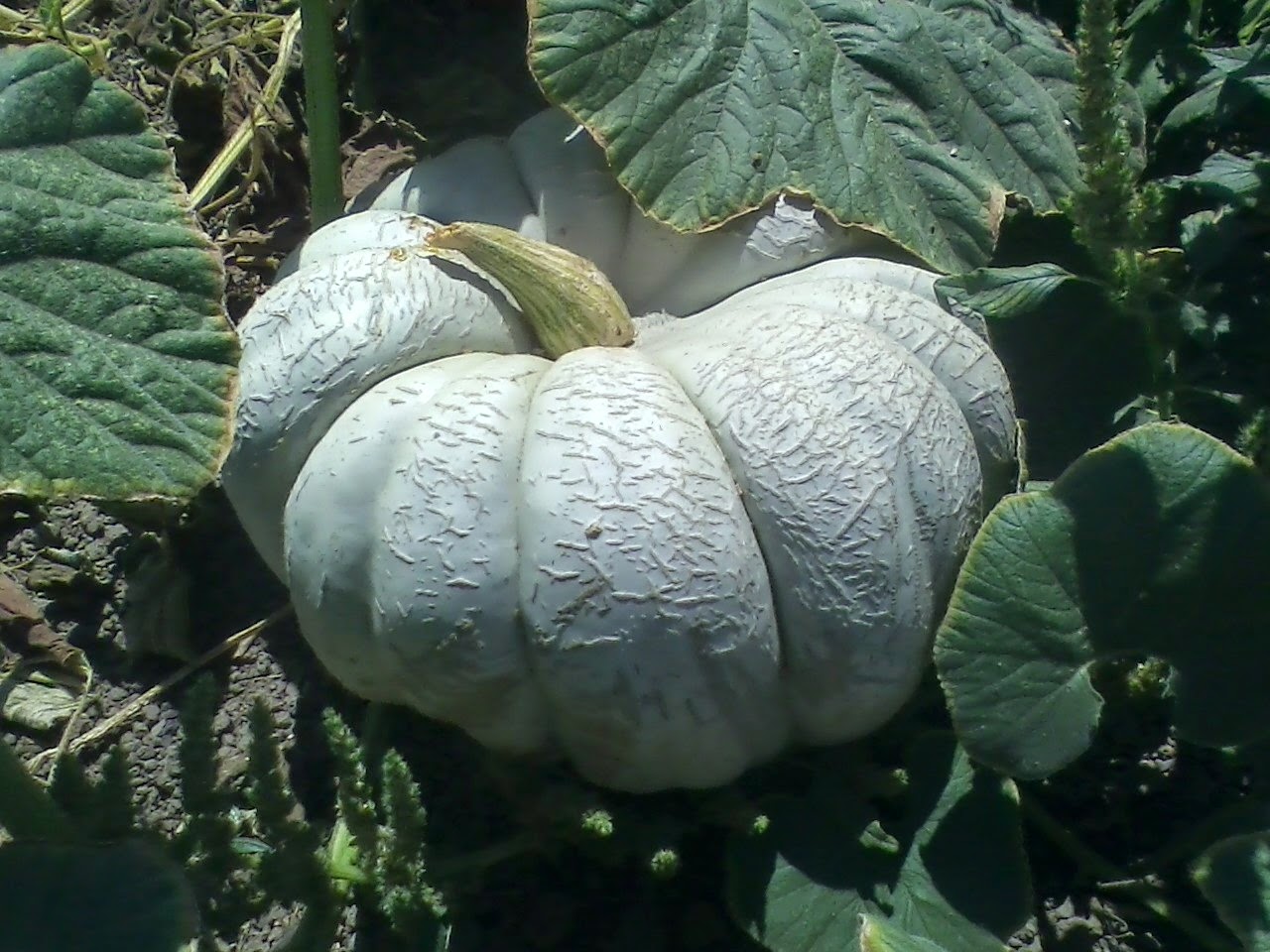
This one might seem familiar to most people.  We're comfortable stabbing it in the face decoratively and letting it rot on our porch for awhile, but eating it might be new. The best way to break the pumpkin down for cooking is to first find where it likes to sit flat. Sometimes that is this way pictured, and sometimes it is on it's ground spot (where it sat on the ground and is differently colored and slightly flattened). Take a large, heavy chef's knife and stab it in the face, careful of your hands. Once the initial cut is made, tip the pumpkin and continue the cut with the knife longitudinally so you have two mirrored halves. The stem will give you trouble, do your best. Scoop the seeds, and clean and save for roasting! Roast your halved fruit with a bit of oil on a cookie sheet, cut side up on 350* until a knife slides easily though. Let cool out of the oven and scoop out flesh for puree or use a melon baller for putting in salads. You can also stuff these guys and leave the flesh in like a pumpkin bowl, or scoop the flesh out mix in stuffing, and serve in the half. 

This member of C. Pepo is a spaghetti squash. Aptly named for its stringy nature. Like with the pumpkin above, we need to halve it to get to the good stuff. This one is tricky though, as it really doesn't lay flat. A large, heavy knife is your best friend here. Lay it parallel with the knife so you're going to cut it in half the long way, remove all hands, children and pets from the danger zone, and WHACK! I find aiming to use the heavier butt of the knife gives me more umph. Once you have an initial cut, you should be able to finish the job a bit safer. Again, the stem will give you trouble. Gently clean out the seeds (you may eat them) and roast at 350* until tender. When ready, remove and let cool slightly. Take a fork and rake lengthwise to liberate the squash "noodles". People like to eat this like spaghetti with red sauce, but I think a garlic parmesan treatment serves the squashes flavor better. 

This C. Pepo member is an Acorn Squash. It has a thick, firm flesh that is good eating, but not great puree-ing. I love to stuff this one with meaty-bready stuff, topped with cheese and nuts. Though you can scoop out bits with a melon baller once cooked and add to a grain salad, green salad, soup, etc. The breakdown is similar to spaghetti. It probably won't sit very still or flat, so a hands-free WHACK is your best bet. It roasts up the same. 

These two have got to be the most user-friendly, last minute dinner addition, cutest members of C. Pepo.  Pictured here are (left to right) a sweet dumpling and delicata squash. They are thin skinned, thin fleshed beauties that are delicious and simple to use. WHACK them in half, scoop seeds and roast. OR, if you're super in a hurry, stab 6ish times in the face and pop into the microwave following your machines instructions for hard vegetables (likely potato button). These guys also have really thin skin that can be eaten! I love to roast delicata and slice into a salad with peppery, bitter lettuces. 


The recipe below would be wonderful with either the delicata, dumpling, acorn, or pie pumpkin. The spaghetti squash might be too grainy and not sweet enough, but if you really want to- go try it out!

C. Pepo Fall Salad

1lb squash- roasted and sliced or melon balled
1 bunch kale- massaged
1 pomegranate- de-seeded
2 apples- cored and sliced
2  lemons- juiced
1/2 C maple syrup
Olive oil
Pistachios or hazelnuts- toasted

Prep all veggies and fruit- add to bowl. Mix lemon juice, maple syrup, and oil in a separate bowl- salt to taste. Add to salad with toasted nuts and enjoy!

Variations to fill out for a meal:
-Add garbanzos
-Add a whole grain
-Add sprouts
-Add peppery greens like arugula or cress
-Add feta, blue cheese, hard salty cheese, or havarti

Wednesday, October 15, 2014

Guest Blog: My Dear Friend Brooke, Her Family, and Her Favorite Way to Enjoy Turnips

I would like to introduce my dear friend Brooke. She has has been a friend of mine for at least 5 years. She has been a veggie box subscriber for as long as I have had veggie box subscribers. She has a great story to tell, and I am so proud to be a part of it!


Ok, I’ll admit it. After 30+ years of proudly refusing to eat my vegetables, I love kale. Turnips are delicious. Broccoli is cool. Asparagus is yum. Squashes are fun. Even chard is tasty.

How did I get here? What happened to me? Where did Miss Meat, Potatoes & Bread go? I blame Ashley Thomas and Tender Heart Farms.

I met Ashley years ago through her now wife Tarra, while we all volunteered for LGBT equality here in California. I’ve had the enjoyment of watching Ashley discover her true love, farming, and make her dream happen. Along the way, she subtly introduced me to the wonder of veggies. Here and there, she slipped me crispy pieces of kale, bowls of squash soup and more. But it wasn’t until she started the Tender Heart Farms veggie box that my life changed.

I was so proud to attend her graduation from farm school, and more than happy to help support her dream in return for a chance at eating healthier. At first, I was pretty apprehensive. I stuck to the things I knew – potatoes, lettuce & other salad stuff – and gave anything I didn’t know what to do with to my (literal) guinea pig.

But then I discovered the powers of garlic and olive oil. By their powers combined, everything became tasty! I got excited by my discovery, and started looking forward to experimental cooking. My boyfriend became my new guinea pig, and loved tasting my fun bacon/cabbage, miso/turnip and eggplant/zucchini dishes. In turn, he was inspired to build me a composter for all the leftover bits and pieces, reducing our garbage impact.

I still struggle sometimes, especially with beets (ugh), okra (how??) and peppers, but it’s always fun to see what comes in the box. I love seeing things I’ve never seen before (long beans! kohlrabi!) and searching the internet for fun recipe options. I’m still reluctant to cook anything with more than five ingredients, but I’m learning. And getting healthier. And helping both a young farmer and our awesome agricultural community! I heart Tender Heart, and you should too!
This is Brooke, her boyfriend, Keith, and their fur child: Bijou.


Duck snuggles at Tender Heart Farms!

More fur children: Murphy and Butters.

Butters and Brooke's very long foster project, Bran.


This week's recipe is one of Brooke's favorite ways to enjoy turnips.


Miso Braised Turnips

1 bunch turnips, halved and sliced like moons
1 TBS butter
Enough broth to cover in a saucepot
1 TBS miso paste

Melt butter and slightly brown turnips. Add broth slowly until turnips are covered. Cook on medium until most of the broth has evaporated, stirring often to avoid burning.

Variations:
-Add fried shallots
-Add crumbled bacon
-Add crumbled cheese like blue or parmesean
-Add other roots to the party: carrots, sweet potatoes, rutabega, celery root, parsnips, etc.

Wednesday, October 8, 2014

I am not superwoman- Recipe Dump: Radishes and Toast, Eggplant Curry, Pumpkin Puree and Pumpkin Pancakes!


I am not perfect. I am just as mortal as all of you, whether I believe it or not. Often, I don't beleive it, and act under the impression that I can work 60 hour weeks, keep house, keep a social life, engage in culinary projects like hot sauce, canning, sour dough starters, kombucha, take up plant breeding, knitting, attend church, keep up with what's current in popular literature, and everything to do with pinterest. Oh, and not get sick.

As you more sensible humans may know, this is not normal, attainable, sustainable, and down time spent in quiet is super important to mental and physical health. So, I am trying something radical- self love. I am trying to be kinder to myself. One of the things I let go is the blog. This beast takes me 3 hours a week to sit and write and countless hours thinking about what I am going to write about during the week. It is a labor of love really, but it was something I let slide.

I plan to come back now and have a few drafts in the works.  In the coming weeks I hope to share some thoughts on how we can help our small, family farmers earn a living wage, a guest blog done by a dear friend and farm box customer, and some more recipes to help you eek out the last ounces of summer.

For this week though, I leave you this picture, of my furry subconscious personified (dogsonified?) and a "recipe dump" to catch you up on the recipes that have been posted in weekly newsletters. So, if you're looking for some late summer/ early fall inspiration for local, seasonal deliciousness- here you are!
I swear he did this to himself. He is not a super fan of getting up early.  

Radishes and Toast

Hate radishes? Me too. Butter makes it better! Here are 5 variations on the classic tea sandwich theme to make you forgive their spicy bite. 

11.)  Grate Radishes and fold into softened butter with a bit of salt- spread onto toast
22.)  Slice radishes thinly and place on buttered toast with a bit of salt and fresh parsley
33.)  Smear feta on toast, add radishes and watercress and drizzle with olive oil
44.)  Butter toast add sliced radishes and green onion and top with a poached egg
55.)  Smear avocado on toast, add sliced radishes with lime and cilantro
Mix fresh herbs into butter (compound butter) and top toast with this and sliced radishes

Eggplant Curry

Hate eggplant? I know, it's hard to love. Give it a try curried topped with raita. You may just learn to love it!

3 Tbs butter
1 Tbs mustard seed
2 Tbs sesame seeds
2 tsp cumin seeds
1 onion chopped
2 tsp turmeric 
salt to taste
2 eggplants, chopped into 1" cubes
2 C peas

Melt butter and add seeds. Toast until they start to pop. Add onion and turmeric and cook until onions are translucent. Add eggplant and cook until tender, adding water to keep slightly saucy. Add peas and warm through. 

Raita

2 C yogurt
1 tsp cumin seed
salt and cayenne to taste
1/2 C diced onion
2 cloves garlic, minced
1/2 tsp fennel seeds
3-4 radishes, sliced thin
1/2 bell pepper
diced cucumber or tomato

Mix everything together in a bowl. Let sit for a few hours. Serve on top of your curry!


Pumpkin Puree

Intimidated by those large squash in the store? Don't be! Don't try to peel it, just hack and roast! Not ready to tackle it yet? Leave it on the porch to decorate your house until you are!

Cut winter squash into manageable pieces. For a round squash, this means wedges, for a long squash this will mean cutting in half. Lightly oil and roast on 350* until it is easily pierced with a knife. Remove, let cool. Scoop flesh from skin with a spoon, not giving much care to the small bits of skin that sneak in, put in blender and blend! You may need to add water and stir a bit to get things going.

Pumpkin Pancakes

1 ¼ C flour
2 TBS sugar
2 tsp baking powder
1 pinch ea: salt, cinnamon,  ground ginger, cloves, and nutmeg
1 C milk
½ C pumpkin puree
2 TBS melted butter
1 egg

Mix wet and dry separate, then add together, careful not to overmix. Use ¼ C mix for each pancake. Cook like regular pancakes!

Wednesday, August 27, 2014

Waning Summer Days, Storage Crops and Chiles Rellenos


The end of summer is a time of preparation. The glut of summer is still...glutting?...but the plants are showing signs of slowing. We'll have tomatoes, bell peppers, cucumbers, and the like until the fall frost takes them, but the frosts are coming so we have to prepare. There's a good deal that can grow during mild and hard frosts, but it's not much fun to grow it- if you don't believe me go back and look and the day harvesting mizuna in calf-deep mud blog post. It is much easier to grow as much as we can to store and preserve it rather than race to grow a ton of stuff in freezing rain and mud. Winter squash, onions, garlic, potatoes, and sweet potatoes are such an important stand-by in the winter when your boxes get overrun with roots and greens. 

It seems odd to plant "winter" squash in summer, but that's when they do best! Our first rounds of them are ready. We know it's time to pick when the squash has gone from light to dark colored (usually green to another color) and you can no longer puncture the flesh with gentle pressure of your thumb nail. This is a partial cure. It's time then to run up and down the jungle of scratchy vines with long handled pruners (loppers) and cut their stems from the plants. Then the trick is lugging them out back through the scratchy leaves and vines... and the occasional snake and ugly spider. Then they're placed in a dry, shady spot to fully cure. 


Here is our first haul. This is about 50' of 3 rows. Aren't they fun!

These guys were some crosses done by a plant breeder. Your guess is as good as mine as to what they are. It'll be fun trying out some new varieties! 

How do you carry neck pumpkins out of the field? Bracelet style...heavy, heavy bracelets...


Or as a neck-pumpkin-lace.

Sweet potatoes are another really great storage crop. We grow them by making our own "slips". We buy whole, organic sweet potatoes and bury them in greenhouse soil and water them... like A LOT thirsty buggers that they are... and wait. Soon, green shoots start to emerge. When they look sturdy we take the buckets out to a prepared bed and dump the bucket. Usually, the potato is still in tact and you can slip the "slips" off the potato and tuck it into moist soil. You can re-use the potato to make more slips or eat it! If this sounds bizzare and hard to imagine, think of the many old potatoes that got lost and forgotten and sprouted. Those green shoots out of the potatoes eyes are the slips I speak of.

The potatoes are a long season crop and hang out doing their sweet potato thing for a few months. You know they're ready when the plants start looking haggard. You can do a few test digs and see how they're progressing. It's magic really, to shove a fork into the ground and lift up massive orange tubers.

Byron is ensuring that the sweet potatoes never feel lonely.


 Onions are another great storage item. We planted them a bit differently this year in hopes of making them easier. Usually, we seed 4-5 seeds per cell and separate them out when transplanting. This means tucking a tiny, sensitive onion plant every 4". This needs to be done for 3-200' lines in 3-4 beds. I'm not going to do math, because this math makes my knees and heels of my hands hurt thinking about crawling on the ground that long, but it's a lot.

This year, we left 3 or less onion sprouts together on advice from another local farmer. It worked! The onions still sized, albeit slightly smaller. They just shoved each other out of the way! We also transplanted these 3-onion-cells with a carousel transplanter so no crawling was involved.  This really made it easy to love onions this year!
Here is Tarra genuinely enjoying the onion harvest!

I think our friend may have gotten transplanted upside down and still found a way!  Well, kind of...

Onions and cinderblocks on their way to a shady spot to be put up to dry, cure, and keep!

Our drying system is pretty simple. It is by no means ideal, but as crude as it is- it works! We put down 3 pallets and cover them in shade cloth. We spread the onions out onto it and stack the blocks around it. Then 3 more pallets go down with shade cloth and more onions. In all we have 6 layers this year. Someday we'll have a big drying shed with pull out drawers and everything on pallets with a forklift... but this is elegantly simple and works wonders with what we have on hand! 
Leaning tower of onions?

 This late summer recipe celebrates one of my favorite summer fruits: peppers. There are so many kinds of peppers: frying, sweet eating, small snacking, hot, stuffing, and drying. In North America we really don't appreciate the wonder that peppers are. I've become partial to them over the years out of sheer culinary curiosity. And, seeing as how I am choosing what to grow you... you're going to learn about them too! Chiles rellenos (literally stuffed pepper) are a great way to enjoy some of the larger varieties of peppers that are grown. Below is a basic recipe for the restaurant style chile relleno with some suggestions on how to make them interesting.


Chiles Rellenos

Long, hollow med hot chilies
½ pound queso fresco or jack cheese
3 eggs
1 tbs flour
1 C oil

Broil chilies whole until they start to blacken and blister. Remove and place in bowl with a kitchen towel over it. Let them steam for 10 minutes to make skinning easier. While they’re steaming, separate eggs and beat whites until stiff peaks form, mix flour into yolk and fold whites in.  Heat oil in pan until shimmering. Stuff skinned chilies with cheese and dunk in batter. Fry peppers until golden brown.

Variations/Suggestions:
Serve with rice and beans for a meal
Serve with a spicy tomato sauce or enchilada sauce
Make a Mexican picadillo mix to stuff the peppers with it
Use smaller hot pepper like jalapenos 

Let me know what you think! Enjoy!


Wednesday, August 13, 2014

The Crunch of the Seasonal Change and Late Summer Minestrone

August seems to be the Fall's answer to March.  Just as things are still booming from summer, fall and winter are being tended to. I seeded 5 trays two weeks back for the fall and winter gardens to start off. These were things like celeriac, celery, broccoli, and leeks that take 6-8 weeks to get up to a transplantable size. I just seeded 14 more with things like napa cabbage, fennel, kohlrabi, mizuna, bok choi, and kale that take about 4-5 weeks to get up to size. We're a bit late on the fall garden, which really is nothing new. We've got it cleaned of stakes, j-hooks, t-posts and the regular residents of the gardens and got it mowed. Today we got the last sprinkling done and now we wait until it dries out a bit.

Wait, why are you watering nothing? Aren't we in a drought? Good question! For one, working bone dry dirt with a rototiller, s-tines, or anything that loosens the dirt up so plants can have healthy roots, will turn your clay soil to dust and boulders if it doesn't break your implement. Second, hopefully you sprout some of the seeds in your "weed seed bank" and can work them back in and have less weeds to hoe out once you plant in the bed.

Once it dries out, we'll rototill, roll down, knife in drip tape, roll down again and we're good to plant! First in will be direct seeded carrots, beets, parsnips, rutabega and the like. Then the transplants. In the meantime we'll start this same process for the winter garden.

The glut of summer always seems to land just when everyone is sick of it. We're swimming in cucumbers, peppers, cherry tomatoes, okra, and basil. So, if anyone want's to come grab some stuff to preserve, pickle, or the like with, please let me know! We even have fresh grape leaves for pickles! (It is supposed to keep them crunchy... something about tannins)

Here are some pictures from my own preserving adventures as well as other farm friends and adventures:

What to do with 30 lbs of cucumbers that never quite got where they were going, and now are just a bit to soft to ever get there? PICKLES!

We let them lactoferment for about a week. We read that when it is this hot, we should add 1/3 extra salt.  Not surprisingly they're very salty. We downsized the containers and added some fresh water before refrigerating.  Everyone does this on the floor next to the cat, right? 

Our cherry type tomatoes exploded! I picked what I could one day and set out to can. 

This is the result of our first round of cherry tomato canning. Never had canned cherry tomatoes? They're delicious! They won't do for spaghetti sauce, but they're amazing as a soup base (they'd be awesome in this week's recipe come winter!) or in grain salads (strain out liquid and use it to cook grain, add back tomatoes at the end).


We also had some overgrown summer squash friends. They're a bit on the tough side, but because of this- they make great stuffers! I mixed up sausage, bread crumbs, egg, cherry tomatoes, the squash insides, garlic, onion, basil, and the usual salt and pepper and made the filling. Unfortunately I had too much filling, so they ended up being meat domes. 

This past weekend we had a booth at the Woodland Tomato Festival. We featured our finest tomato wares and enjoyed the fine fried foods offered at such affairs. Tarra even made a new friend. 

Well, we made two new friends. This beautiful dog came to visit us several times to borrow our shade. She was available for adoption from the SPCA. She was too big for our house though,  which is too bad, she was such a sweetheart! 

This week's recipe is a household favorite. You can make it as simple or luxurious as you'd like. I like to go all the way with it: making chicken stock and garlic broth- using both for the base. I like to use tomato paste and brown it to give a depth of flavor AND use fresh tomatoes (especially cherries).


Late Summer Minestrone

1 large onion, diced
1 head garlic, smashed and peeled
5 C stock
1 C tomato (fresh[chopped} or canned)
1 med or large summer squash, diced
Okra, sliced
Green or long beans, sliced into 3” strips
½ med cabbage, shredded
Pasta
Basil

Heat a large pot and sweat onions in oil. Add garlic until fragrant. Add stock and tomatoes and bring near a boil. Add chopped veggies and cook until tender. Cook pasta separate and add at the end with fresh basil.


Variations:
-Add a dollop of pesto before serving
-Use garlic broth
-Add tomato paste to onion garlic mix and brown to deepen flavor
-Add some white beans for authentic Italian flair
-Use orzo or Isreli couscous for fun pasta
-Add the rinds of parmesean to stock and let sit in soup
-Add greens!

Gumbo, Okra, and a Tale of Cultural Complications


Omg. No. You did NOT just put okra in my box. What am I supposed to do with it? Well, dear friend, you may actually dislike okra, I will admit that can happen. But, what I likely think is true is you THINK you dislike okra. You may have heard it's horrible, and just adopted that idea. You may have tried to cook it and experienced its... thickening ability... and been turned off forever. It's hard to love, I get that, but let me bend your ear for awhile, coax you into trying one more time, then if you still hate it, that's just fine.

This is an okra plant. I know, I know. I once heard a lady tell a story where she just loooved okra. She grew a bunch of plants in her backyard and was dismayed to come out and find her beloved plants denuded. Turns out her neighbor thought she was growing Marijuana. Even the police didn't believe he was that dumb until he hurt himself jumping her fence. Lord knows what that itchy stuff that causes skin rashes does when you try to smoke it...Anyway, it's a nice looking plant.

It also has really nice looking flowers. I wish my phone took nicer pictures, but I give that up to have a sturdier drop/run-over-proof phone. 

Gumbo doesn't seem like a very exceptional dish. If you've lived in California all your life, you probably haven't developed preconceived notions about it, and probably not really ever tried it. This is not true if you live in the South. Gumbo is a dish rich with as much tradition as taste. I've hunted up some interesting articles and linked them for your further reading if you should be interested. I've pulled the interesting things out if I only have 5 minutes of your attention. Click Here for a cool PBS page if you've only got 2 minutes.

Gumbo is a food deeply rooted in place. The way you even begin the dish owes a lot to mixed cultural heritage. Food 52 looks at the way Louisiana was colonized to understand gumbo:


"The state was originally colonized by French and Spanish settlers, and gumbo may have been a direct descendent of the French seafood soup bouillabaisse. The presence of roux, or flour-based thickener, is also distinctly French -- although gumbo roux is much darker than the French variety, having been prepared with flour that is browned in oil or fat of some kind. Spanish settlers contributed sofrito, the combination of onion, garlic, peppers, and tomatoes cooked in olive oil. In Cajun and Creole cooking, an iteration of this -- celery, bell peppers, and onions -- is known as “the Trinity,” and with the addition of garlic it becomes “The Holy Trinity.” The name “gumbo” itself is derived from the West African word for “okra”, which is an ingredient found in many versions of the dish. Native American Choctaws added filé (ground and dried sassafrass leaves) to the mix, which is frequently used in gumbos instead of or in addition to okra."
What I wonder about the name: gumbo- did it come from Africa with the Moors when they entered Spain, then to the U.S. with colonization? Or was this a tradition transported via slavery? The south has obvious connections to Africa via slavery and This National Parks Service Site notes that:

"Congo Square, near the future site of New Orleans Jazz NHP, was one of only 2 areas in the United States where African drumming, singing, and dancing was permitted during the mid-eighteenth to nine-teenth century."
It makes you wonder...


Not all gumbo is created equal however. As much of a mixing pot as it is, people have their "own" gumbo and believe it to be the best. Lousiana's Folk Life informs us that you can tell where a person is from by the what they put in gumbo and they way it's served. (I'm going to go out on a limb and say a big NO to potato salad):

"Although people in all parts of South Louisiana make meat and sausage gumbo thicken with filé, seafood gumbo thickened with okra is more common along the coast, where seafood is more plentiful. If you make duck, venison, or squirrel gumbo, you most likely have a hunter in the family. If you put a scoop of potato salad in your gumbo before serving, you likely have some German influence. If you make the much less common, meatless gumbo z'herbes for Lent, you are likely Catholic and your family has been in Louisiana many generations. You are less likely to find this in many of the Cajun and Creole cookbooks so readily available now. And if your family wants to extend the gumbo, you might add boiled eggs."
This National Parks Service Site also seems to be making a somewhat cryptic argument that New Orleans Jazz music is as tied up in gumbo as okra is. I didn't see any recipe or links to anything other than soundbites... maybe you're better at the internet than I am, so poke around or just get a visual recipe from them for "Jazz Gumbo". 

PBS  notes that the peppers used to make the dish spicy themselves have a story:
"In the 1840s, hundreds of Louisianans went off to fight in the Mexican War. They returned with Mexican pepper seeds and a passion for heat. Adding green peppers to sauces and to meats kept foods from spoiling in the era before refrigeration. Eating pickled and raw peppers is still a popular Louisiana bar-room contest."

Gumbo seems to be a metaphor for itself: a great mix of ingredients and cultures that when brought together, are better for it. Though, gumbo wasn't universally celebrated. Before the Cajun craze in the 80's, it was thought of as "poor food" or "ethnic food" with some seriously negative, seriously racial connotations. The Atlantic explains the origin of the word "Creole" used synonymously with Cajun to describe the kind of cooking that gumbo falls into: 

"The word evolved from crioulo , a Portuguese term applied to slaves of African descent but born in the New World. Later, the definition expanded to include people of European descent born in the New World, as well. In French and Spanish Louisiana, and especially after the territory became part of the U.S., "Creole" came to signify people of all ethnicities (except Native Americans) who were "native" to Louisiana--especially French-speaking New Orleanians of European descent and the free people of color whose numbers and influence in the city were unusual when compared to the rest of the South."
Wherever it came from, however it was formed, one thing is true: gumbo is delicious. One thing is also kind of true: there are few wrong ways to make gumbo. Whatever you do, don't snub okra just yet. Give it a try!

Below is an obvious adulteration of the dish. I have not yet covered vegetarian gumbo because it is not traditional. Not eating meat is a modern luxury. We have access, even if we're poor, to high quality proteins that can substitute meat in sufficient quanities. This was not always the case, especially in the south. If you were poor, you were probably eating squirrel or rabbit gumbo, or shellfish gumbo depending on where you lived- probably drug home from a day's hunt. But here, I give you the option. Make it veggie- use veggie stock, miso, heck- even tofu! Make it seafood- use seafood stock, shrimp, shellfish, and whitefish! Make it savory and southwest inspired- use chilies, chorizo and corn. Just because you know and understand the history of this dish does not mean you are bound to it! Enjoy!


Vegetable Gumbo

2 Spring onions, diced
3 Bell Peppers, diced
4 Ribs Celery, diced
4-7 cloves garlic, smashed
Okra, sliced
6 C stock
1 basket cherry toms, roasted
1 ½ tsp Cajun seasoning
Salt to taste

Heat a thin layer of oil in a dutch oven until oil shimmers. Add onions, garlic and peppers and slightly brown. Add all  the rest of the veggies and cook until some color develops. Slowly add stock allowing pot to deglaze. Add cherry tomatoes and seasoning and cook until veggies are done and soup has thickened. Serve over cooked rice.

Variations:
Add chilies-roasted, fresh, rehydrated
Add sausage to the pan with the veggies
Add seafood at the end
Add other veggies! Corn, roasted tomatillos, squash!
Make your own Cajun seasoning! Save $
Make it veggie- use veggie stock and add miso paste for umami flavor